

Influence Profile
No genre data available
Genre information will appear here once available
Trending in Tito Paris’s World
Latest Album
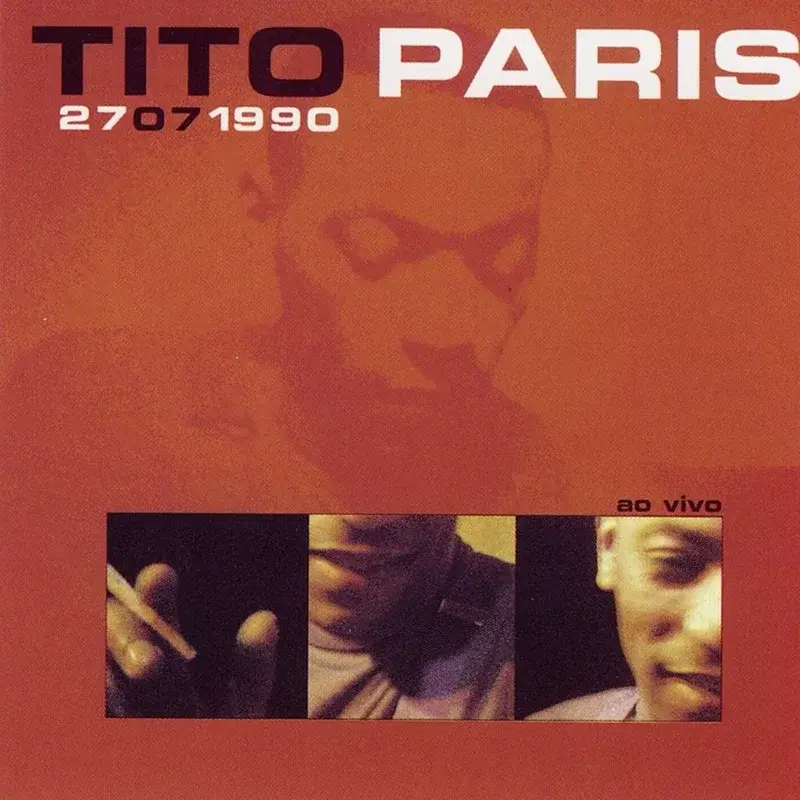
27.07.1990 Ao Vivo
Released Nov 14, 2007
Trending Globally
Story
Quick Facts
Born
1963
1963
From
Cabo Verde
Cabo Verde
Journey
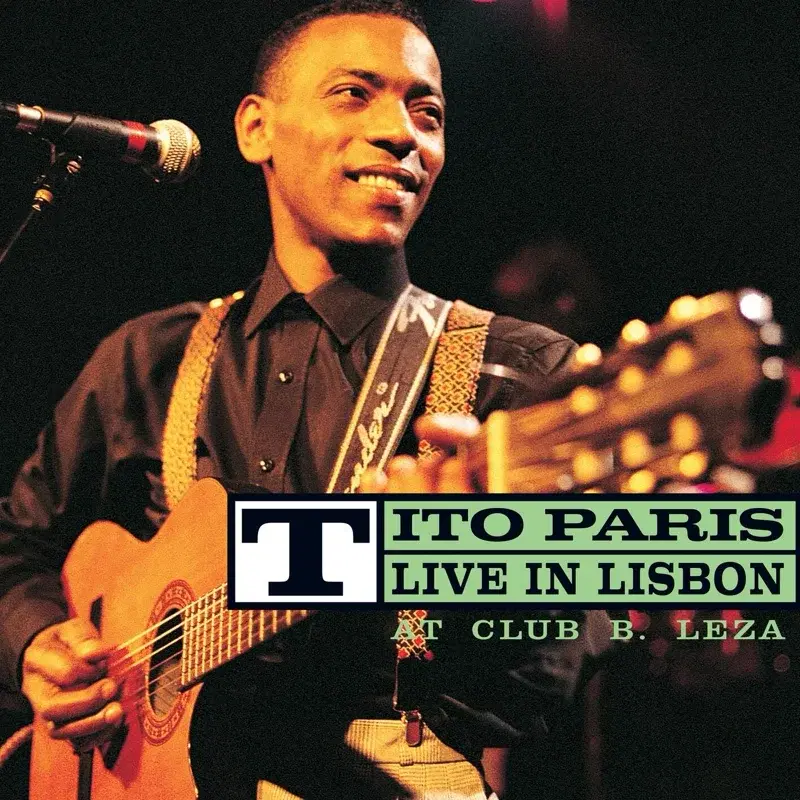
Aristides Paris, widely celebrated by his professional name Tito Paris, is a foundational figure in Cape Verdean music whose career spans over four decades. Born into a musical family in Mindelo on the island of São Vicente, he absorbed traditional rhythms early in life, mastering the guitar, bass, and cavaquinho under the influence of local legends.At nineteen, he was invited to Lisbon, Portugal, to play bass for the group "Voz de Cabo Verde."
Tito Paris quickly became a crucial pillar of Lisbon’s Lusophone music scene, working as a performer, arranger, and songwriter for prominent artists, including a significant, long-term collaboration shaping the work of Cesária Évora.
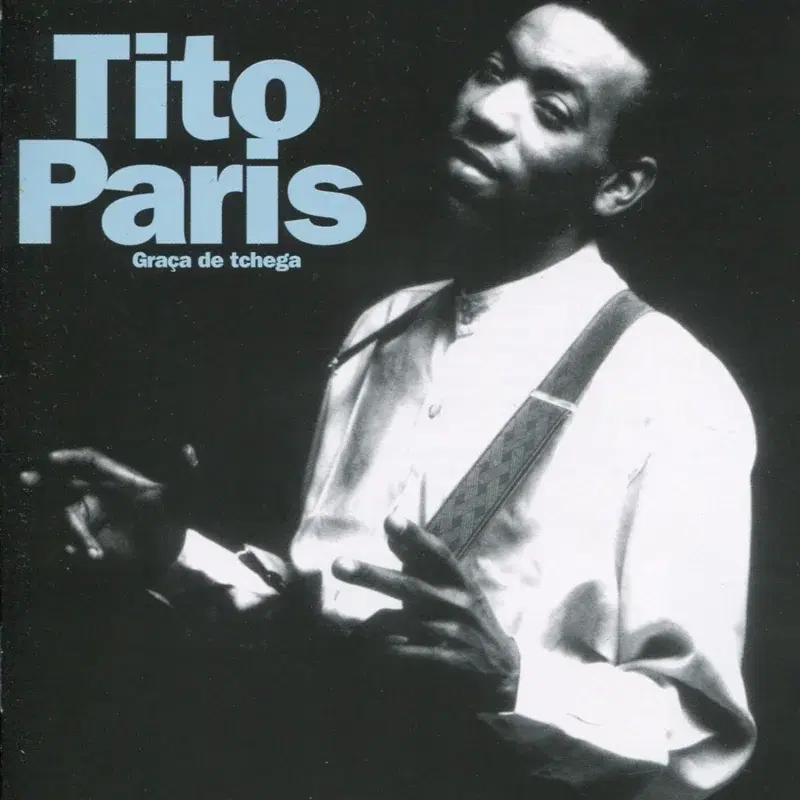
He established himself as a solo artist with his 1987 instrumental debut, "Fidjo Maguado," which highlighted his virtuosity on the guitar. He achieved major commercial and cultural success with "Dança Ma Mi Criola" (1994); its title track remains a timeless national anthem. His subsequent releases, "Graça de Tchega" (1996) and "Guilhermina" (2002), solidified his international reputation by flawlessly fusing traditional Creole styles like morna, coladeira, and funaná with global genres like jazz, salsa, and flamenco.
After a lengthy hiatus, he reaffirmed his creative relevance with the 2017 collaborative album "Mim Ê Bô." As a global ambassador, Aristides "Tito" Paris has toured extensively across Europe, the Americas, and Africa.
His immense cultural impact has earned him prestigious accolades, including Cabo Verde’s First Degree Medal of Cultural Merit (2012), Portugal’s rank of Commander of the Order of Merit (2017), and the Career Award at the Cabo Verde Music Awards (2018). Through his sophisticated songwriting and distinctive vocals, he remains central to the global recognition of Cape Verdean culture.